

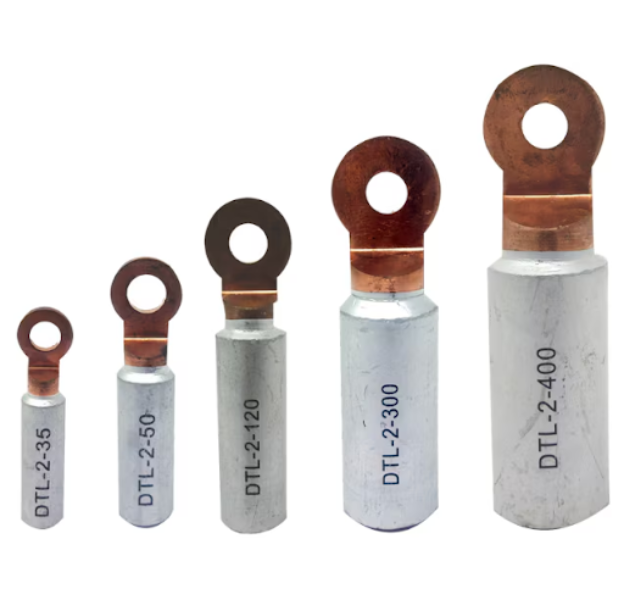
Connecting an aluminium cable directly to a copper busbar may appear straightforward, but the difference between the two metals can create a long-term reliability problem. When moisture is present, direct aluminium-to-copper contact can promote galvanic corrosion, leading to higher resistance and terminal heating.
Bimetallic lugs are designed specifically for this type of transition. Dollex Control Panel Accessories supplies cable termination components for power distribution, switchgear, industrial panels and infrastructure applications.
What Is a Bimetallic Lug?
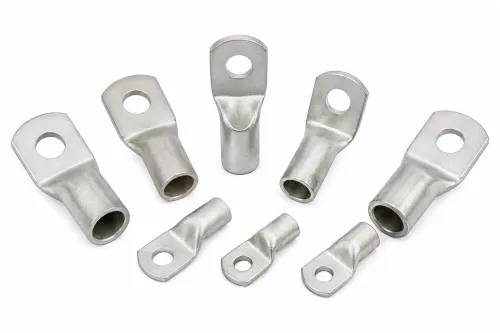
A bimetallic lug consists of an aluminium barrel and a copper palm. The aluminium conductor is inserted into the aluminium section, while the copper palm is bolted to a copper busbar or equipment terminal.
The two sections are permanently joined during manufacturing, creating a controlled transition between the metals. This design keeps the aluminium conductor away from direct contact with the copper connection point.
Where Bimetallic Lugs Are Used
These lugs are commonly found in:
- Distribution panels
- Transformer connections
- Switchgear assemblies
- Solar power systems
- Industrial power installations
- Utility distribution networks
- Large commercial buildings
- Infrastructure projects
They are especially useful where aluminium cables are chosen for economical power distribution but the equipment uses copper terminals or busbars.
Bimetallic Lugs Versus Aluminium Lugs
An aluminium lug is suitable when an aluminium conductor connects to a compatible aluminium terminal. It should not automatically be used on a copper busbar.
A bimetallic lug provides:
- An aluminium barrel compatible with the conductor
- A copper palm compatible with the busbar
- Reduced risk of direct dissimilar-metal contact
- A practical transition between two conductor materials
- Better long-term connection stability when installed correctly
The correct choice depends on the cable and terminal materials—not merely the cable size.
Choosing Bimetallic Lugs for Delhi Power Projects
Electrical systems in Delhi may operate under heavy loads, elevated ambient temperatures and dusty conditions. A high-resistance joint can generate additional heat, making correct lug selection particularly important.
Before purchasing, verify:
- The aluminium conductor size
- The required copper palm dimensions
- The equipment stud-hole diameter
- The expected current load
- The recommended crimping profile
- Compatibility with the available dies
- The installation environment
- Applicable project specifications
The cable size and stud size should both be stated when ordering. Two lugs designed for the same conductor may have different palm widths or hole diameters.
Correct Installation Procedure
The aluminium conductor should be prepared according to the lug manufacturer’s instructions. Oxidation should be addressed carefully without removing or damaging strands. Jointing compound may be used where specified.
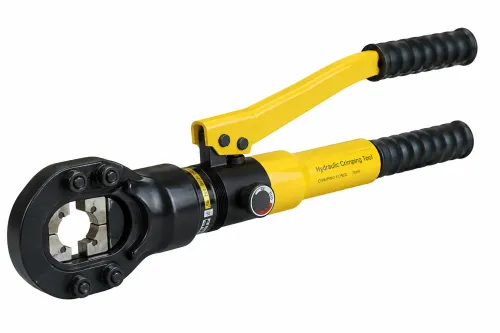
The conductor must be inserted fully into the aluminium barrel. A suitable hydraulic crimping tool and matched dies should then be used to apply the recommended number of crimps.
The copper palm must sit flat against the busbar. Bolts should be tightened to the specified torque, and the cable should be supported so that its weight does not strain the terminal.
Problems Caused by Incorrect Use
Using a copper lug directly on an aluminium conductor, reducing strands to fit a smaller barrel or applying an unsuitable crimping die can create an unsafe connection. Loose bolts and incomplete cable insertion can also lead to overheating.
Thermal inspection during preventive maintenance can identify developing hot spots before serious damage occurs.
Bimetallic lugs provide a reliable solution for joining aluminium conductors to copper equipment. Contact Dollex Control Panel Accessories for correctly matched lugs for your electrical project.