

Large electrical cables require considerable force to create a properly compressed termination. Hydraulic crimping tools are designed to provide controlled mechanical force, making them useful for cable lug installation across industrial electrical, power distribution, control panel, and maintenance applications.
Understanding how these tools work can help electricians and technicians achieve more consistent terminations while reducing unnecessary physical effort.
How Hydraulic Crimping Works
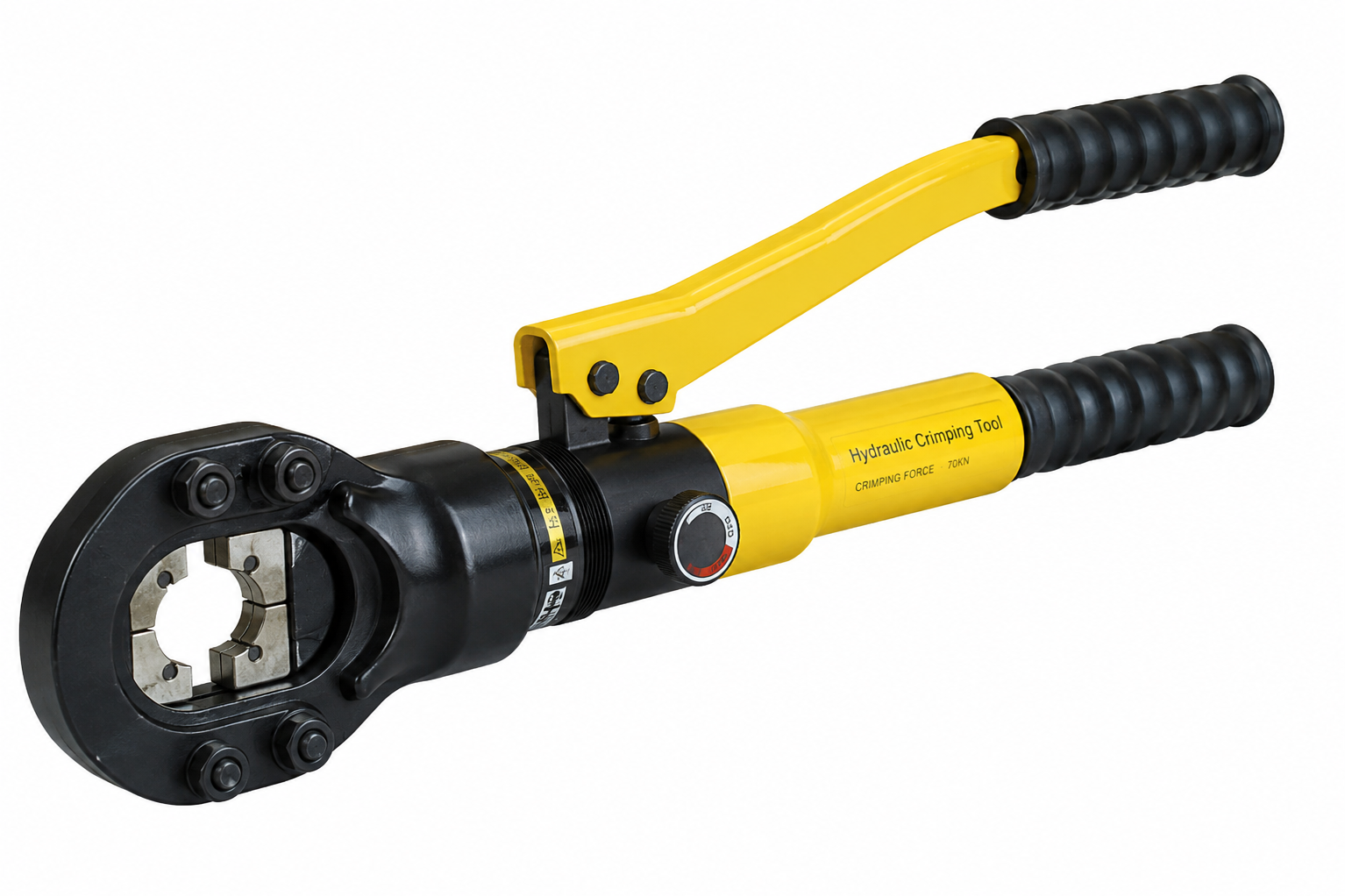
A hydraulic crimping tool uses hydraulic pressure to move the crimping mechanism against the selected die and connector.
Compared with relying entirely on manual hand force, the hydraulic mechanism helps generate the compression required for larger cable termination work.
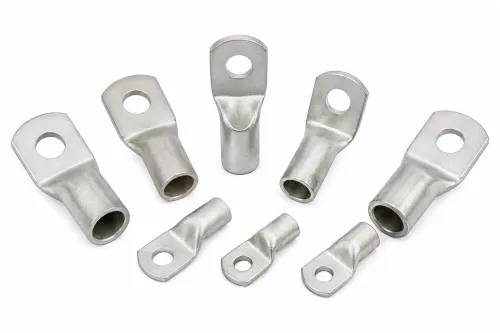
Typical applications include crimping compatible:
- Copper cable lugs
- Aluminium cable lugs
- Cable connectors
- Electrical terminals
- Industrial power connections
The exact application depends on the tool's capacity and the connector manufacturer's specifications.
Why Die Selection Is Important
One of the most important parts of crimping is choosing the appropriate die.
A die determines how compression is applied to the lug barrel. Using the wrong size can produce an inadequate or excessive crimp even when the tool itself is functioning correctly.
Before starting work, technicians should confirm the conductor size, lug specification, die size, and tool capacity.
Inspect the Cable Before Crimping
Good termination begins before the hydraulic tool is operated.
The cable should be stripped carefully to avoid cutting conductor strands. The exposed conductor should be clean and inserted fully into the lug barrel.
Technicians should also confirm that the lug orientation is correct before applying pressure. Once a terminal has been significantly compressed, correcting its position may require replacement rather than adjustment.
Tool Condition Affects Work Quality
Hydraulic equipment should be inspected regularly.
Potential warning signs include:
- Hydraulic fluid leakage
- Irregular pressure
- Damaged dies
- Misaligned crimping surfaces
- Difficulty releasing pressure
- Physical damage to handles or mechanisms
Continuing to use a damaged tool can affect both installation consistency and operator safety.
Avoid Improvised Crimping Practices
Electrical installation teams sometimes face pressure to complete jobs quickly. That should not result in using hammers, pliers, unsuitable dies, or other improvised methods to terminate heavy electrical cables.
The lug, conductor, crimping tool, and die should function as a compatible installation system.
This becomes especially important for Delhi-based panel builders and maintenance contractors handling industrial equipment where connections may carry substantial electrical loads.
Maintain a Repeatable Process
Companies performing regular cable termination work can benefit from establishing a simple procedure.
Identify the conductor size first. Select the compatible lug. Verify the die. Prepare the conductor. Complete the crimp according to the applicable procedure. Finally, inspect the termination before connecting it to equipment.
This repeatability reduces dependence on guesswork and helps different technicians maintain consistent workmanship.
Dollex Control Panel Accessories supports electrical and industrial automation requirements in Delhi with components and tools used in control panel work. A hydraulic crimping tool should ultimately be selected according to its required crimping range, compatible dies, construction quality, ease of operation, and intended workload.
When the tool is properly matched to the termination, hydraulic crimping can make demanding cable installation work more controlled, efficient, and consistent.