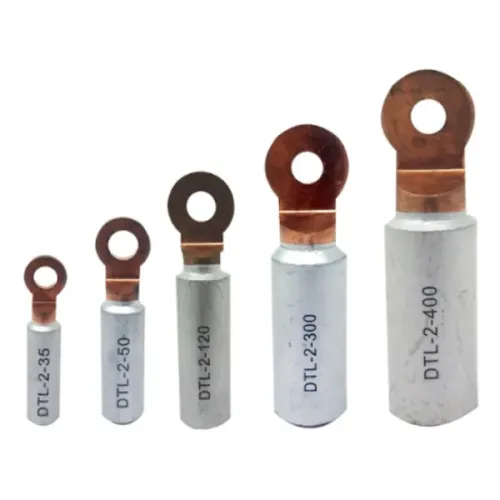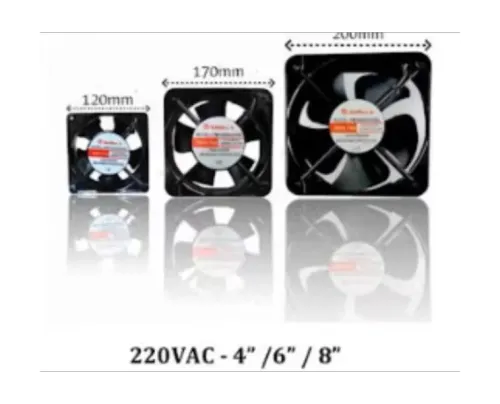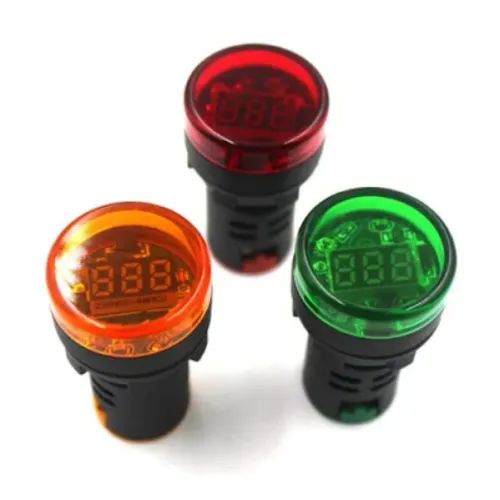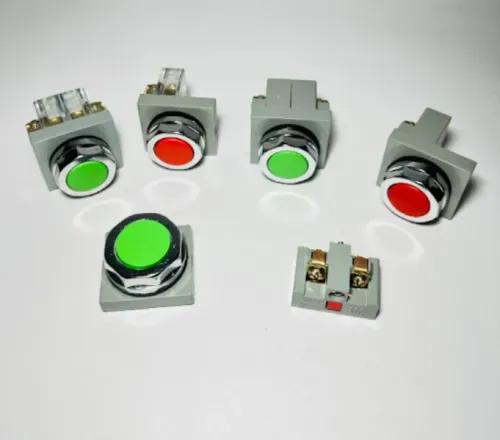
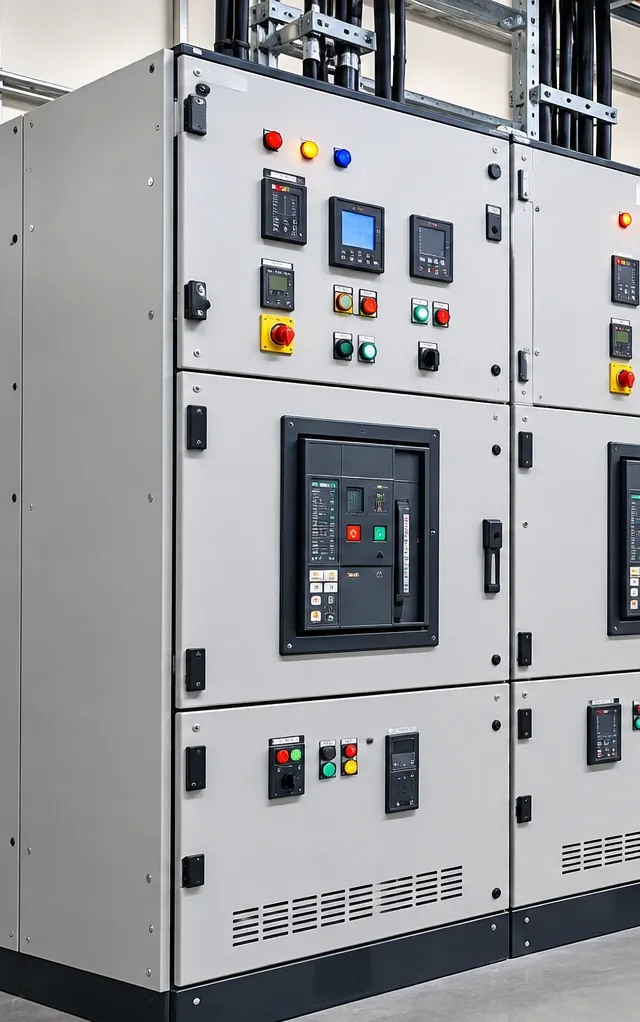
Switchgears form an essential part of electrical distribution and control systems because they support switching, isolation, protection, and management of electrical circuits. From commercial buildings to industrial machinery and distribution panels, the correct switchgear arrangement helps electrical professionals manage power safely and efficiently.
Because the term covers a broad range of equipment, buyers should begin with system requirements rather than purchasing components based only on brand familiarity or price.
Understand the Electrical System First
Switchgear selection starts with knowing the characteristics of the electrical installation.
Important information may include:
- System voltage
- Current requirements
- Load characteristics
- Fault levels
- Number of circuits
- Protection requirements
- Isolation requirements
- Operating environment
- Applicable standards
These parameters help designers determine which devices and ratings are appropriate.
Protection Requirements Must Be Coordinated
Protective devices should not be selected in isolation.
A distribution system may contain multiple levels of protection between the incoming supply and individual loads. Appropriate coordination helps determine how the system responds when abnormal electrical conditions occur.
This is an engineering consideration that should be addressed during system design rather than left until panel assembly.
Think About Future Maintenance
A good electrical panel should be practical to inspect and maintain.
Component layout can influence accessibility, identification, heat dissipation, wiring organisation, and replacement work.
OEMs and panel builders should allow appropriate space around switchgear rather than making the enclosure unnecessarily congested.
Clear circuit identification can also make future maintenance more efficient.
Verify Product Specifications
Industrial procurement teams sometimes receive requests containing only generic descriptions such as breaker, switch, or switchgear.
That may not provide enough information for accurate selection.
Buyers should obtain relevant specifications from the electrical designer or technical team before placing an order. Depending on the component, this can include poles, rated current, voltage, breaking capacity, trip characteristics, mounting arrangement, and accessories.
Consider the Operating Environment
Environmental conditions can influence the complete panel design.
Switchgear installed inside a protected commercial electrical room faces different conditions from equipment installed in a manufacturing area with dust, vibration, heat, or moisture.
Enclosure design, ventilation, component ratings, and maintenance requirements should therefore be considered together.
Evaluate Suppliers Beyond Initial Price
For contractors and panel builders, a low component price has limited value if specifications are unclear or products do not match project requirements.
Supplier evaluation can consider:
- Product range
- Specification clarity
- Availability of required ratings
- Suitability for panel applications
- Procurement consistency
- Technical product information
- Availability of complementary accessories
This is particularly useful for Delhi-based control panel manufacturers and OEMs that regularly procure multiple electrical component categories.
Dollex Control Panel Accessories caters to electrical and automation requirements across Delhi, including products used by panel builders, contractors, machinery manufacturers, maintenance teams, and industrial buyers.
Before selecting switchgears for a project, define the electrical parameters clearly and verify that each component fits the protection and distribution design. Correct specification at the purchasing stage can reduce substitutions, rework, and commissioning complications while supporting a more organised electrical installation.
Keywords