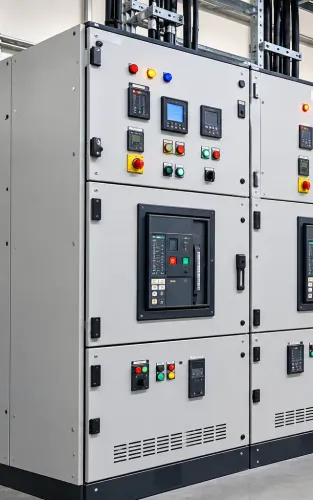
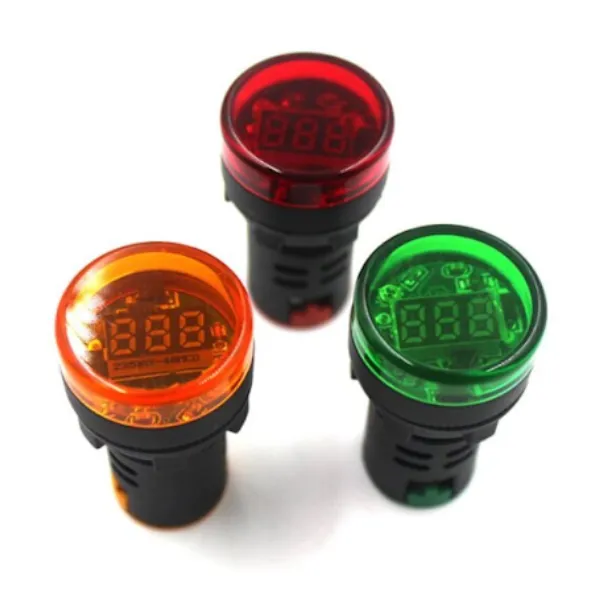
A control panel may contain sophisticated protection, automation, and switching equipment, but operators still need a quick way to understand what the system is doing. LED indicators provide visual status information that can help personnel identify operating conditions without opening the enclosure or interpreting complex control logic.
For industrial panels, good indication design can improve everyday usability and troubleshooting.
Decide What Needs Visual Indication
Adding more lights does not automatically make a panel easier to understand.
The first step is identifying which conditions genuinely need immediate visual communication.
Common examples include:
- Power availability
- Equipment running
- Equipment stopped
- Phase status
- Control supply condition
- Alarm state
- Trip condition
- Process status
The exact requirements depend on the machine and control philosophy.
Select the Correct Electrical Rating
LED indicators must be compatible with the circuit in which they are installed.
Panel designers should verify the rated operating voltage and whether the device is intended for the relevant AC or DC application.
Assuming that visually similar indicators are electrically interchangeable can result in incorrect operation or component damage.
Visibility Should Be Considered
The indicator should be easy for an operator to see from the normal operating position.
Poor placement can make status information difficult to interpret, especially on larger panels containing numerous controls.
Designers should consider panel height, viewing distance, surrounding components, ambient lighting, and the importance of each indication.
Keep Panel Logic Easy to Understand
Consistency helps operators interpret a panel more quickly.
Where an organisation uses defined colour conventions or equipment standards, those conventions should be applied consistently. Designers should also consider applicable standards and project specifications rather than relying on arbitrary colour choices.
The goal is to make status recognition intuitive without creating ambiguity.
LED Technology Offers Practical Benefits
LED-based indication is widely used because LEDs can provide clear illumination with relatively low power consumption and long operating life.
However, the indicator should still be selected for the intended electrical and environmental conditions.
Product construction, mounting arrangement, terminal design, and visibility are all relevant considerations.
Plan for Maintenance
Indicators can also support troubleshooting.
When a technician approaches a machine, clearly designed status indications may provide immediate clues about power availability, operating state, or a fault condition.
This can help direct further investigation, although an indicator should never replace appropriate electrical testing where testing is required.
Choose Components With Panel Consistency in Mind
Control panel builders in Delhi often manufacture panels for factories, commercial facilities, infrastructure systems, machinery, and process equipment. Consistent operator-interface components can simplify assembly and spare management across these projects.
Dollex Control Panel Accessories provides electrical and automation components for such panel-building requirements.
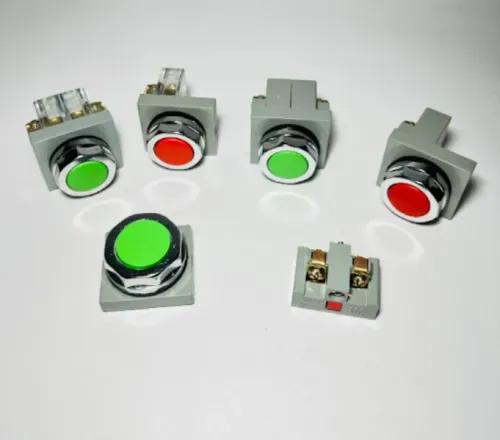
When selecting LED indicators, buyers should verify operating voltage, mounting dimensions, visibility, terminal configuration, and environmental suitability. Panel designers should also consider how each indicator contributes to the overall operating interface.
A well-planned indication system gives operators useful information at a glance. Instead of filling a panel door with unnecessary lights, effective design focuses attention on the conditions that genuinely matter during operation, inspection, and maintenance.
Keywords