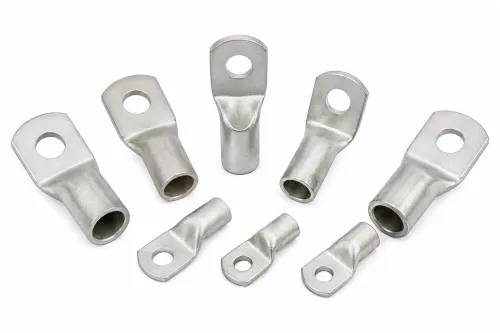


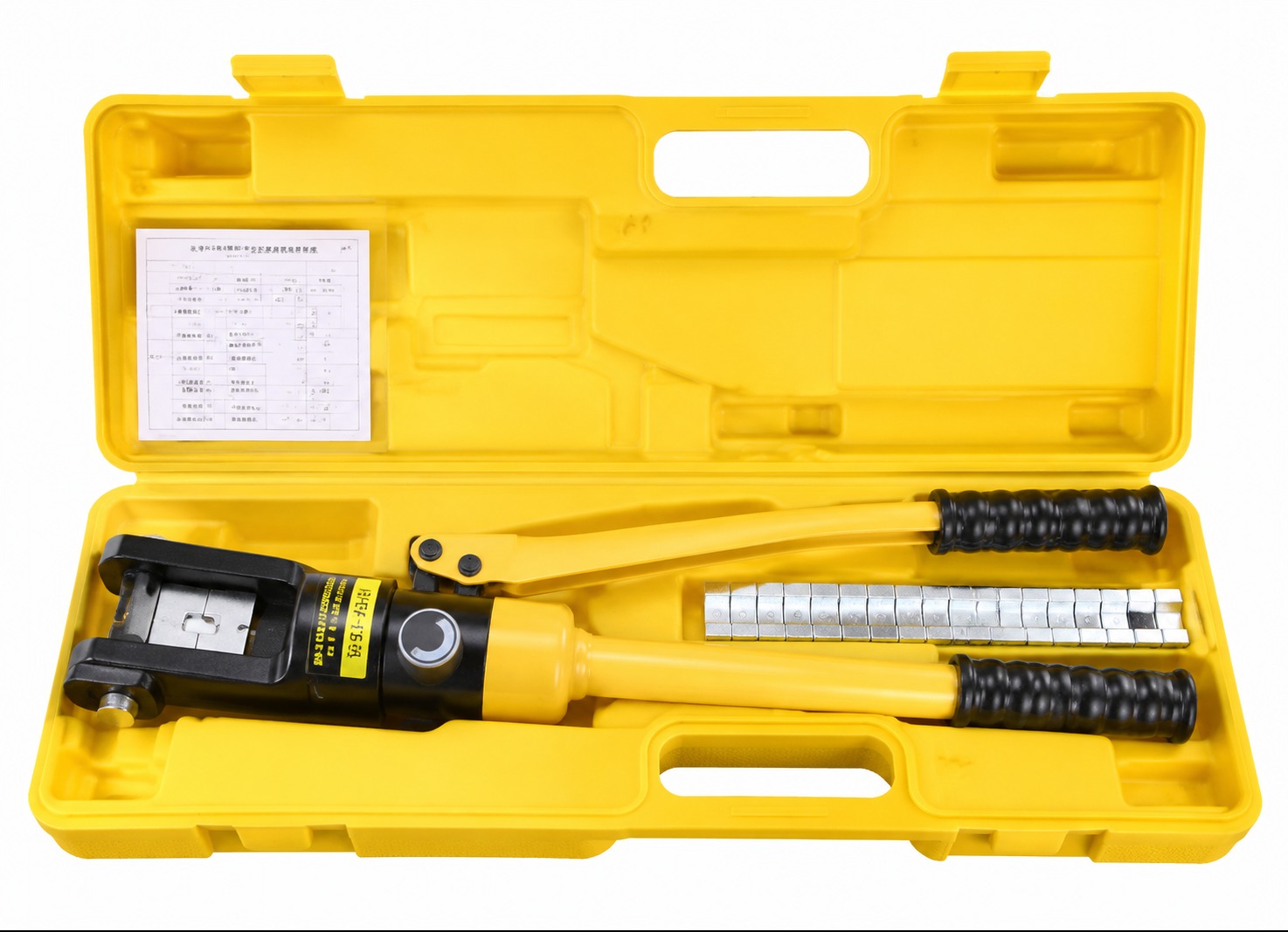
Secure cable termination depends not only on the quality of the lug but also on the tool used to crimp it. For large conductors and repeated industrial work, ordinary hand pressure may not provide sufficient compression. Hydraulic crimping tools solve this problem by applying controlled force to cable lugs and connectors.
Dollex Control Panel Accessories supplies panel accessories and crimping solutions for electrical contractors, panel builders, maintenance teams and industrial users. A hydraulic tool can improve productivity and termination consistency when selected according to the cable sizes and work frequency.
How a Hydraulic Crimping Tool Works
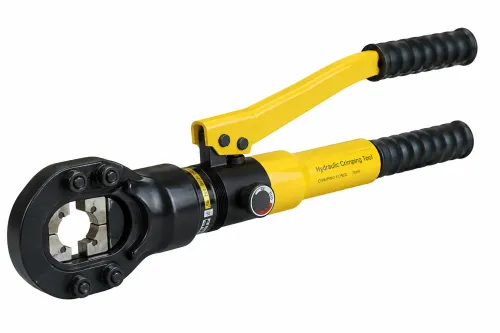
A hydraulic crimping tool uses fluid pressure to move a piston inside the crimping head. The piston forces the dies around the lug barrel, compressing it firmly onto the conductor.
The hydraulic mechanism generates greater force with less physical effort than conventional manual tools. This makes it particularly suitable for larger copper and aluminium cables.
Depending on the model, the tool may use:
- Manual hydraulic pumping
- Battery-powered hydraulic operation
- Electric hydraulic pumping
- A separate hydraulic pump and crimping head
Manual hydraulic models are portable and practical for site work. Battery-powered tools can be useful when technicians must complete many terminations within a limited period.
When Hydraulic Crimping Becomes Necessary
Hydraulic crimping tools are generally preferred when:
- Large cable lugs must be compressed
- Multiple terminations are completed daily
- Consistent crimping pressure is important
- Manual effort must be reduced
- Work is performed in industrial or utility environments
- Copper and aluminium conductors of different sizes are handled
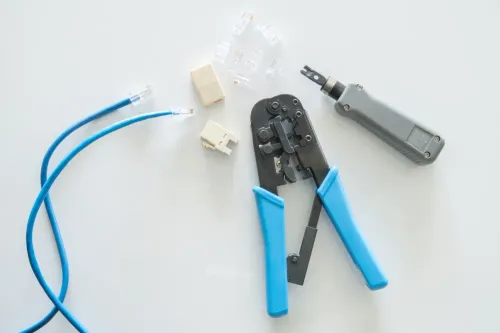
For occasional work on small terminals, a manual crimper may be sufficient. A hydraulic tool becomes more valuable as conductor size, work volume and required compression force increase.
Choosing Hydraulic Crimping Tools for Projects in Delhi
Electrical contractors in Delhi work across commercial buildings, factories, infrastructure projects and panel manufacturing units. The tool should therefore be selected according to both workshop and on-site requirements.
Important factors include:
- Crimping capacity: Check the minimum and maximum cable sizes supported.
- Compatible dies: Confirm that suitable dies are available for the required lugs.
- Crimp profile: Hexagonal crimping is common, but compatibility must be verified.
- Head design: A rotating or open head may improve access in restricted spaces.
- Pressure release: The tool should allow controlled pressure release after crimping.
- Portability: Weight and carrying arrangements matter for regular site work.
- Maintenance needs: Seals, hydraulic oil and moving parts should be serviceable.
A tool with a wide crimping range can be convenient, but it must still provide accurate compression across every supported cable size.
Signs of an Incorrect Crimp
A finished crimp should be visually inspected before the connection is installed. Warning signs include:
- A loose cable inside the barrel
- Cracks or splits in the lug
- Excessive deformation
- Exposed conductor strands
- Uneven compression
- A die mark that does not match the lug specification
Pull testing and electrical inspection may also be required for critical applications.
Improving Tool Life and Safety
Dies should be kept clean and stored in their designated case. The hydraulic system must be checked for oil leakage, damaged seals and irregular movement. Users should never exceed the specified crimping capacity or attempt to modify a die to fit an unsuitable lug.
The tool should be positioned securely before pressure is applied. Hands must remain clear of the crimping head throughout the operation.
Hydraulic crimping tools can reduce effort and improve termination uniformity when used with compatible lugs and dies. For help choosing a suitable tool, contact Dollex Control Panel Accessories.