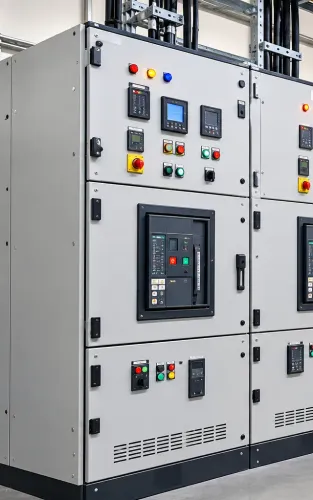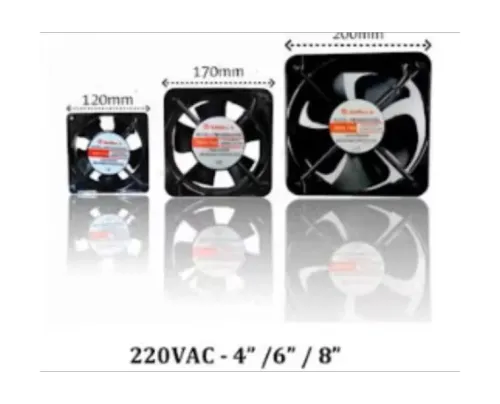
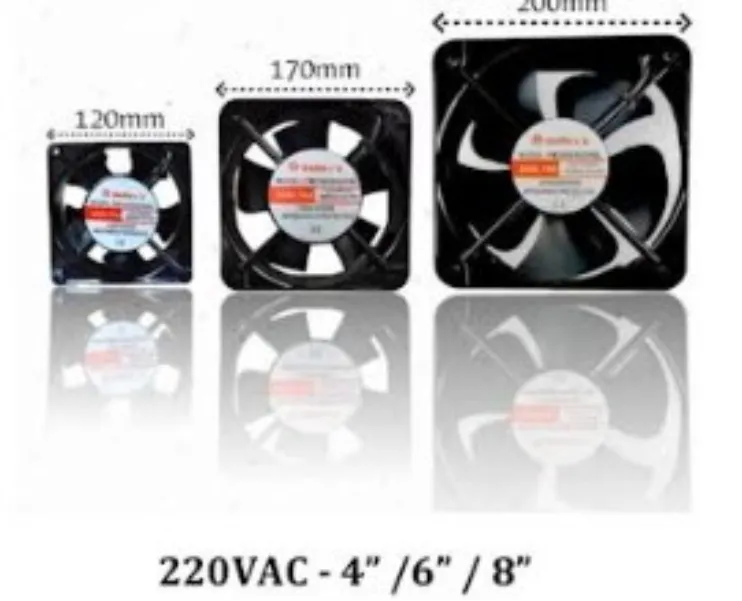
Electrical and automation components generate heat while operating. When this heat remains trapped inside a control panel, it can affect contactors, relays, power supplies, variable frequency drives and other sensitive devices. Panel fans improve air circulation and help maintain a safer internal temperature.
Dollex Control Panel Accessories supplies panel cooling and ventilation products for panel manufacturers, machine builders, contractors and industrial maintenance teams. Choosing a fan requires consideration of heat generation, enclosure size, airflow and surrounding conditions.
Why Control Panels Need Ventilation
The temperature inside an enclosure can rise above the surrounding room temperature, especially when several heat-producing components operate continuously.
Excess heat may cause:
- Premature component failure
- Unwanted breaker tripping
- Reduced electronic equipment life
- Unstable drive or power-supply performance
- Insulation deterioration
- Increased maintenance requirements
A panel fan introduces or circulates air to carry heat away from components. It is often paired with a filter that limits the entry of dust and debris.
Calculate the Cooling Requirement
Selecting a fan only by its outer dimensions can result in insufficient airflow. Buyers should estimate the total heat produced inside the panel, the allowable internal temperature and the ambient temperature.
Other factors include:
- Enclosure dimensions
- Number of heat-generating components
- Panel material
- Installation location
- Air inlet and outlet arrangement
- Operating hours
- Required airflow rating
Where ambient air is already hotter than the desired panel temperature, an ordinary fan may not provide enough cooling. An air conditioner or another closed-loop cooling solution may then be necessary.
Panel Fan Selection for Delhi’s Climate
Delhi’s summer temperatures can be demanding for industrial electrical panels. Dust is another significant concern, particularly in manufacturing units, workshops and panels installed near roads or construction activity.
A suitable ventilation arrangement should consider:
- The highest expected ambient temperature
- Dust concentration around the enclosure
- Indoor or outdoor installation
- Required ingress protection
- Frequency of filter maintenance
- Fan voltage and power consumption
- Noise limitations
- Available mounting space
Filtered air intake is generally preferable in dusty locations. However, a clogged filter can restrict airflow, so regular inspection remains essential.
Decide the Correct Airflow Direction
A common arrangement places the intake fan near the lower portion of the panel and the outlet grille higher up. Cooler air enters below, passes across the components and allows warmer air to exit near the top.
The exact configuration depends on component placement and enclosure design. Air should move across heat-producing devices without creating stagnant zones.
Fan openings should not be blocked by cables, wiring ducts or components.
Check Construction and Compatibility
Before purchasing a panel fan, confirm:
- Supply voltage
- Airflow capacity
- Mounting dimensions
- Fan direction
- Filter availability
- Noise level
- Operating temperature
- Protection rating
- Replacement filter size
The cut-out dimensions must match the panel design. A secure installation helps prevent vibration, air leakage and unwanted dust entry.
Maintenance Readiness
Filters should be cleaned or replaced according to site conditions. Fan blades and guards must be checked for dust accumulation, unusual noise and restricted movement.
A dependable supplier should be able to provide compatible fans, filter assemblies and replacement filters. Correct product matching makes maintenance easier throughout the panel’s service life.
Suitable panel fans protect temperature-sensitive components and improve system reliability. Contact Dollex Control Panel Accessories for panel cooling products matched to your enclosure.
Keywords