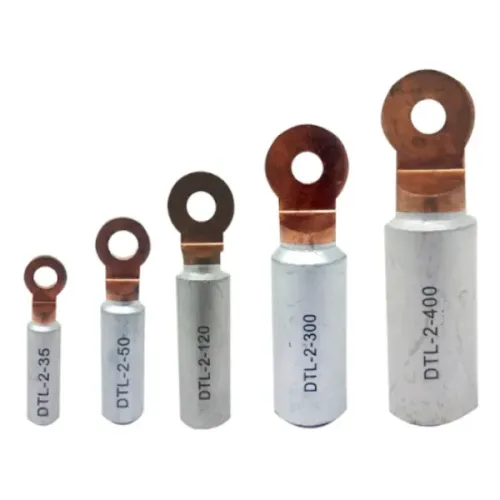
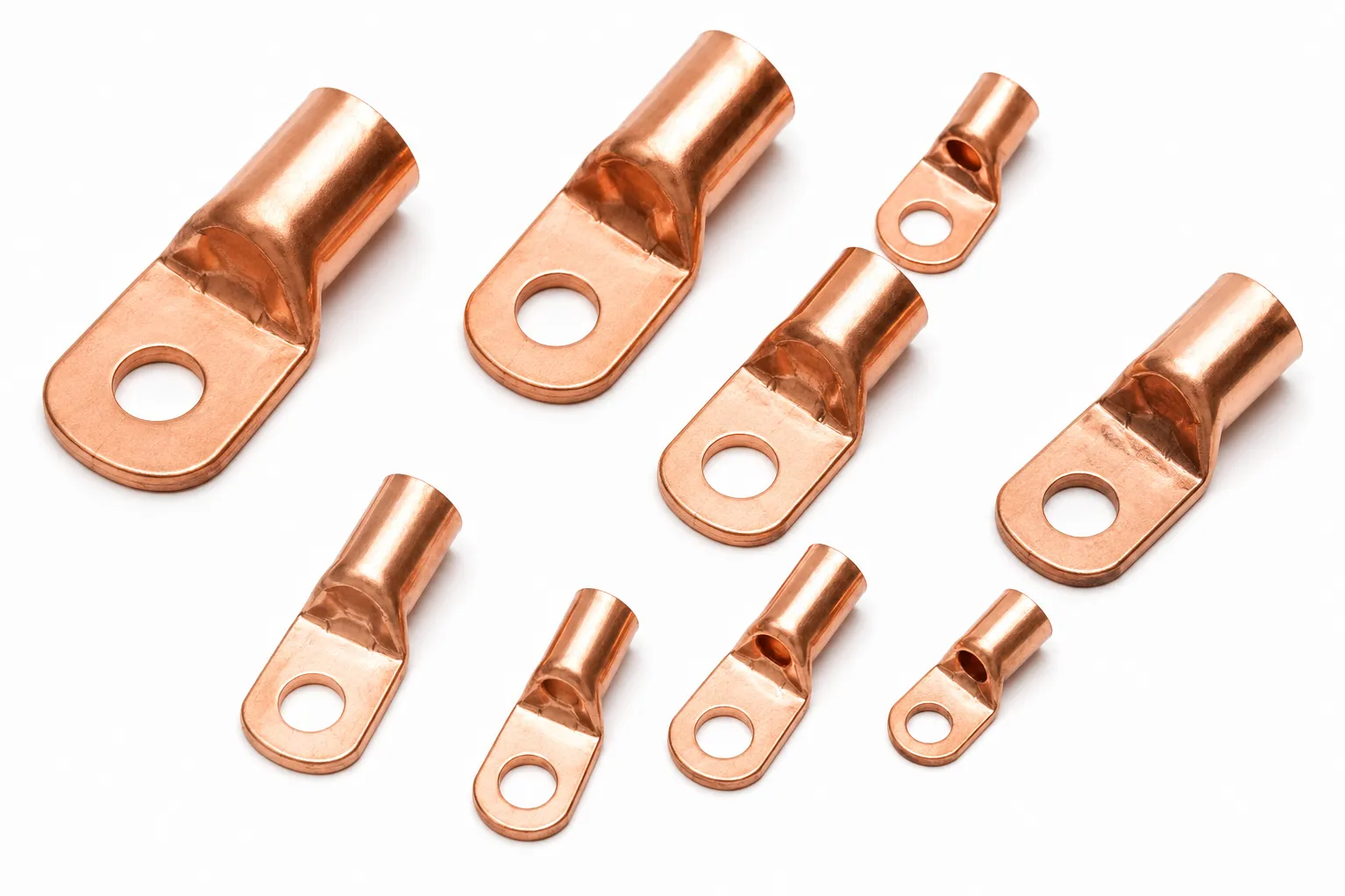
Copper cable lugs play a critical role in creating secure electrical terminations between cables, busbars, circuit breakers, switches, distribution equipment, and control panel components. Although a cable lug is relatively small compared with the equipment around it, an unsuitable termination can contribute to overheating, voltage drop, loose connections, and unexpected maintenance problems.
For electrical contractors, panel builders, OEMs, and industrial maintenance teams, understanding how copper cable lugs are selected can improve both installation quality and long-term electrical reliability.
Why Copper Cable Lugs Are Widely Used
Copper is commonly used in electrical connections because of its conductivity and suitability for demanding electrical applications. A properly selected lug provides a stable interface between the conductor and the connection point.
Copper cable lugs can be found in:
- Electrical control panels
- Distribution boards
- Motor control centres
- Industrial machinery
- Power distribution systems
- Generator panels
- Automation equipment
- Commercial electrical installations
In Delhi's industrial and commercial electrical market, panel builders frequently work with different cable sizes and equipment configurations. This makes correct lug selection particularly important.
Cable Size Is the Starting Point
A cable lug should correspond to the conductor size for which it is designed. Using a lug that is too large can make effective crimping difficult, while an undersized lug may not accommodate the conductor correctly.
Before installation, technicians should confirm:
- Cable conductor material
- Conductor cross-sectional area
- Stud or terminal size
- Required lug configuration
- Installation environment
- Crimping method
The dimensions should be checked rather than estimated visually.
Terminal Hole Size Also Matters
Selecting the conductor size alone is not enough. The palm of the lug must connect correctly to the equipment terminal.
For example, a cable may require a particular barrel size, while the circuit breaker or busbar uses a specific stud diameter. Both dimensions need to be compatible.
An incorrectly sized terminal hole can result in poor seating or an unreliable mechanical connection.
Crimping Quality Influences Performance
A suitable copper cable lug still requires correct installation. The crimping tool and die should match the lug and conductor.
Good crimping creates consistent compression between the conductor strands and the lug barrel. Poor crimping may leave an apparently secure connection that becomes problematic after repeated electrical loading or vibration.
Installers should avoid using makeshift tools simply because they appear capable of compressing the barrel.
Inspect Connections Before Energising
Visual inspection is a simple but valuable quality-control step.
Check whether:
- The conductor is inserted fully
- Strands are not unnecessarily exposed
- The crimp is positioned correctly
- The lug has not cracked or deformed
- The palm sits properly against the terminal
- The connection is tightened appropriately
These checks can help identify installation errors before the system enters operation.
Selection Should Reflect the Application
Not every electrical installation operates under identical conditions. High-current equipment, frequently operating machinery, enclosed control panels, and installations exposed to heat or vibration may have different requirements.
Electrical professionals should therefore evaluate the complete connection rather than purchasing cable lugs based only on price.
For contractors and panel manufacturers sourcing electrical accessories in Delhi, Dollex Control Panel Accessories provides products for control panel and industrial electrical applications. Evaluating conductor dimensions, terminal requirements, and installation methods before selecting copper cable lugs can help create safer, cleaner, and more dependable electrical connections.
Keywords