Float switches provide automatic control of pumps and alarms by detecting the liquid level inside tanks, reservoirs and sumps. They are used in residential buildings, commercial facilities, factories, water-treatment systems and drainage applications.
Dollex Control Panel Accessories supplies control and panel products for contractors, system integrators and industrial users. The right float switch should match the liquid, tank design, switching load and required control action.
Understand the Required Function
A float switch changes its electrical contact when the liquid reaches a certain level. Depending on the wiring and installation, it can start a pump, stop a pump or activate an alarm.
Common functions include:
- Preventing tank overflow
- Starting a pump at a low level
- Stopping a pump when the tank is full
- Protecting a pump from dry running
- Controlling drainage or sewage pumps
- Activating high- or low-level alarms
The required switching sequence should be decided before selecting the product.
Cable Float and Vertical Float Switches
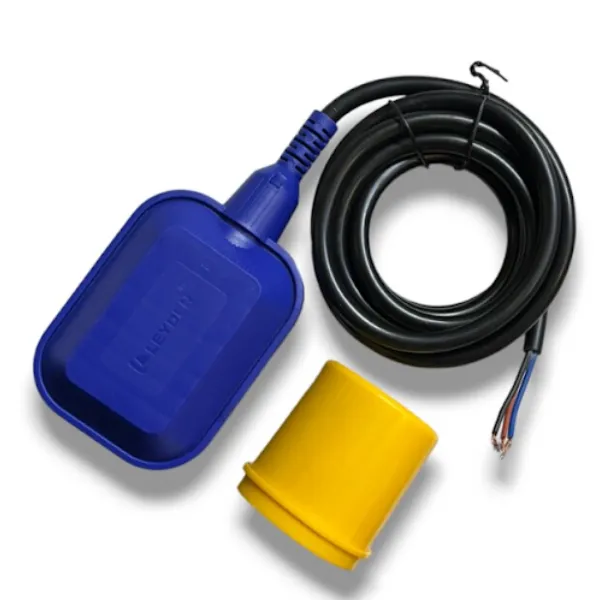
Cable float switches move freely with the liquid level. They are frequently used in overhead tanks, underground tanks, sumps and drainage systems. Their switching points depend on the cable length and installation position.
Vertical float switches move along a fixed stem. They are compact and useful in smaller tanks or equipment where there is limited space for free movement.
Horizontal float switches are mounted through the side wall of a tank. They can be suitable when the switching level is fixed and top access is restricted.
Selecting Float Switches for Delhi Water Systems
Delhi properties and industrial facilities use float switches for water-storage tanks, pumping systems, treatment units and wastewater applications. Water quality, suspended particles and seasonal operating demands can influence product selection.
Buyers should check:
- The type of liquid being monitored
- Minimum and maximum operating temperature
- Tank depth and available installation space
- Cable length
- Switching current and voltage
- Normally open or normally closed operation
- Required number of switching levels
- Chemical compatibility
- Pump control-panel arrangement
A float intended for clean water may not be suitable for sewage, oil or chemically aggressive liquids.
Avoid Switching Large Pumps Directly
The electrical rating of a float switch must be respected. A float should not directly control a large pump motor unless it is specifically rated for that load.
In many systems, the float switch controls a contactor or relay inside the panel. The contactor then switches the pump. This arrangement protects the float contacts from excessive starting current.
Check the Installation Space
A cable float needs sufficient room to tilt and move without touching the tank wall, pipework or other floats. If its movement is obstructed, the pump may not start or stop at the intended level.
The cable should be secured using the recommended method without crushing its insulation. Cable joints must be protected from moisture and should not be left inside the tank unless an approved waterproof connection is used.
What to Expect From a Reliable Supplier
A dependable supplier should help confirm the float type, cable length, contact rating and liquid compatibility. Clear technical information is especially important when the switch will control sewage pumps, industrial liquids or critical water systems.
Periodic testing should be included in maintenance routines. Sludge, debris or cable entanglement can restrict movement even when the switch itself remains functional.
Correctly selected float switches automate water-level control while protecting tanks and pumps. Contact Dollex Control Panel Accessories for a suitable float switch for your system.
Keywords