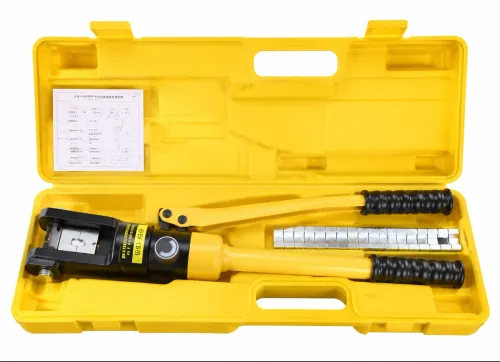


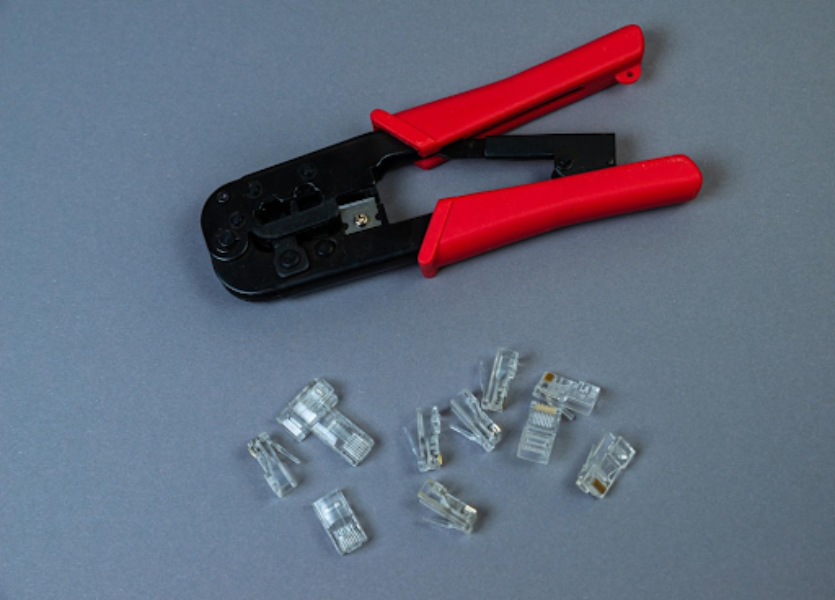
Manual crimping tools are widely used for terminating smaller electrical wires, insulated terminals, ferrules and selected cable lugs. They are portable, require no battery or hydraulic pump and can provide dependable crimps when matched correctly with the terminal.
Dollex Control Panel Accessories supplies crimping tools and panel components for electricians, control panel manufacturers, contractors and maintenance professionals. Since manual crimpers vary significantly in design, choosing one only by price can lead to inconsistent or damaged terminations.
Identify the Terminals You Use Most Often
The first step is to determine which terminals the tool must handle. A crimper made for insulated terminals may not be suitable for tubular cable lugs, ferrules or open-barrel contacts.
Manual tools are commonly designed for:
- Insulated ring and fork terminals
- Non-insulated copper terminals
- Bootlace ferrules
- Open-barrel contacts
- Small tubular lugs
- Modular connector contacts
A multipurpose tool may appear convenient, but a dedicated crimper often produces more consistent results for frequently used terminals.
Check the Supported Wire Range
Every manual crimping tool has a specified wire-size range. This may be shown in square millimetres, AWG or both. The terminal and conductor must fall within this range.
Using a tool below its capacity may result in inadequate compression. Forcing a conductor that is too large into the tool can damage the jaws, dies and terminal.
Ratchet and Non-Ratchet Crimpers
A non-ratchet tool depends largely on the pressure applied by the user. It can be suitable for simple, light-duty jobs, but results may vary between operators.
A ratchet crimper follows a controlled compression cycle and normally does not release until the crimp is complete. This feature can improve repeatability and reduce partially compressed terminations.
Many ratchet tools also include an emergency release mechanism. Users should understand how it works before beginning regular production work.
Buying Manual Crimping Tools for Delhi Worksites
Electricians in Delhi may work in panel shops, commercial properties, factories and on active construction sites. A practical tool should therefore balance accuracy, durability and ease of handling.
Use this checklist before selecting one:
- Does it support the required terminal type?
- Is the wire-size range clearly marked?
- Are the dies fixed or interchangeable?
- Does the handle provide a comfortable grip?
- Is a ratchet mechanism required?
- Can replacement dies or parts be obtained?
- Is the tool suitable for repeated daily use?
- Does it create the recommended crimp profile?
- Can it reach terminals in restricted panel spaces?
A lightweight tool is convenient, but weak construction may lead to jaw misalignment after repeated use.
How to Check Crimp Quality
The conductor should be inserted fully into the terminal before crimping. After compression, the terminal should hold the wire firmly without cutting or flattening it excessively.
Look for:
- Uniform compression
- Properly positioned die marks
- No exposed or cut strands
- No cracks in the terminal
- Secure mechanical retention
- Undamaged insulation
A light pull check can identify an obviously loose termination, although critical applications may require formal testing.
Common Usage Mistakes
Avoid using pliers as a substitute for a crimping tool. The result may appear tight but lack the controlled compression needed for reliable electrical contact. Users should also avoid using worn dies, adding handle extensions or crimping terminals outside the specified range.
The tool should be cleaned regularly and stored in a dry place to protect its moving parts.
A suitable manual crimping tool offers portability, control and reliable performance for smaller terminations. Speak with Dollex Control Panel Accessories to select the right crimper for your requirements.